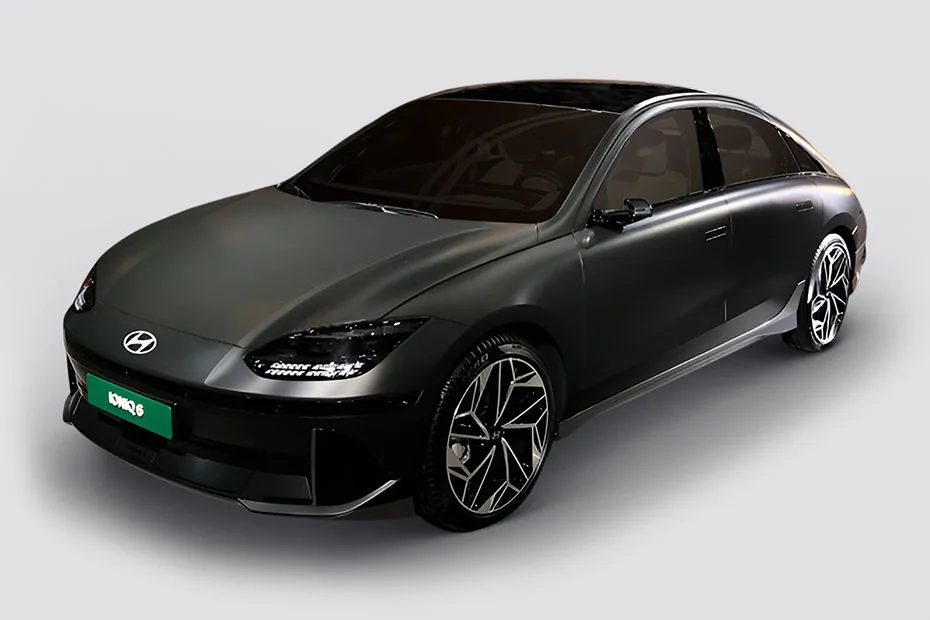
Kia Syros EV
₹13.50 - 19.99 Lakh*
133–169 bhp · 42–51.4 kWh
View DetailsIndia's electric car guide
65
Electric cars
26
Brands
₹3.25L
Starting price
EV decision tools
The numbers most car sites skip: what a used EV is really worth by battery health, whether an EV saves you money against petrol, and what charging actually costs.
Value any used EV by its battery health, age, mileage and generation, then run the pre-purchase inspection checklist. Built for buyers and sellers alike.
Will an EV actually save you money? Compare years of running cost against a petrol car.
What a full charge and each kilometre costs to top up at home.
Monthly petrol, diesel or CNG running cost for any car and commute.
The pre-delivery inspection to run before you take keys to a new EV.
EV First lists 65 electric cars across 26 brands - from mass-market EVs on sale in India to global models like Tesla, Polestar and Lotus that reach India as imports. Popular picks include the Tata Punch EV (₹9.69 Lakh), Tata Nexon EV (₹12.49 Lakh) and MG Windsor EV (₹14 Lakh). The cheapest is the Vayve Mobility Eva at ₹3.25 Lakh; imported halo cars like the Rimac Nevera run into crores. Read More
₹13.50 - 19.99 Lakh*
133–169 bhp · 42–51.4 kWh
View Details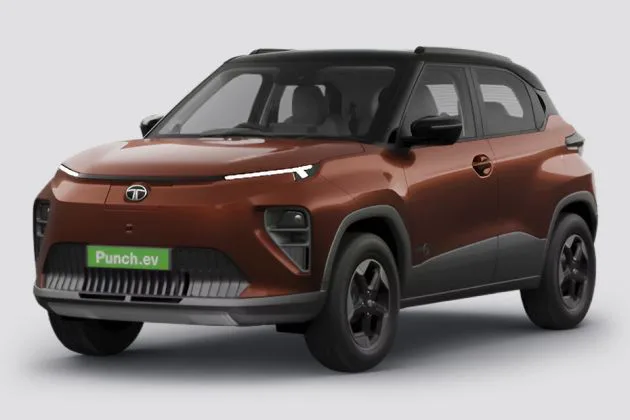
₹9.69 - 12.59 Lakh*
87–127 bhp · 30–40 kWh
View Details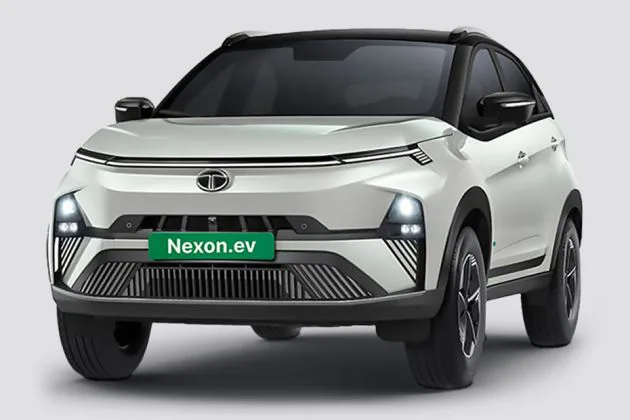
₹12.49 - 17.49 Lakh*
275–489 km · 127–142 bhp · 30–45 kWh
View Details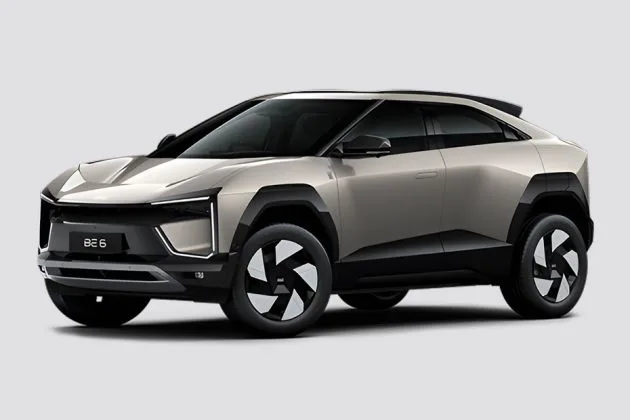
₹18.90 - 28.49 Lakh*
557–683 km · 228–282 bhp · 59–79 kWh
View Details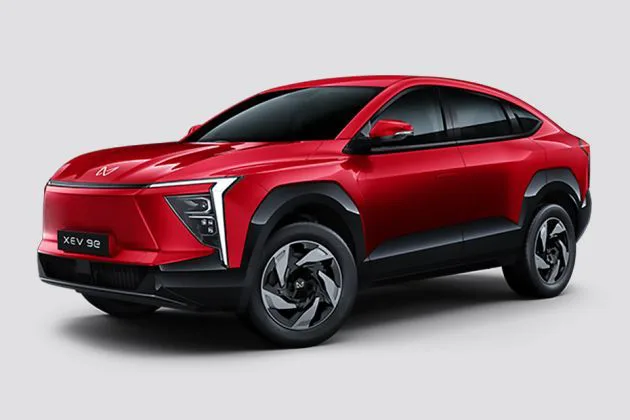
₹21.90 - 31.25 Lakh*
542–656 km · 228–282 bhp · 59–79 kWh
View Details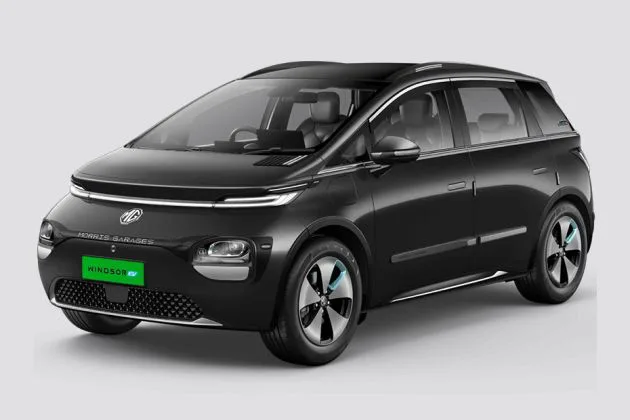
₹14 - 18.50 Lakh*
332–449 km · 134 bhp · 38–52.9 kWh
View Details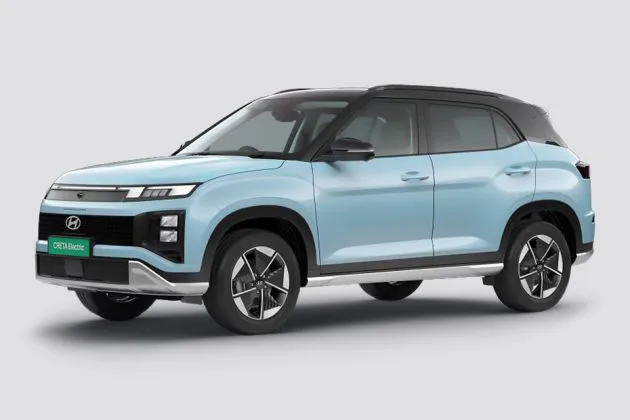
₹18.02 - 24.70 Lakh*
390–510 km · 133–169 bhp · 42–51.4 kWh
View Details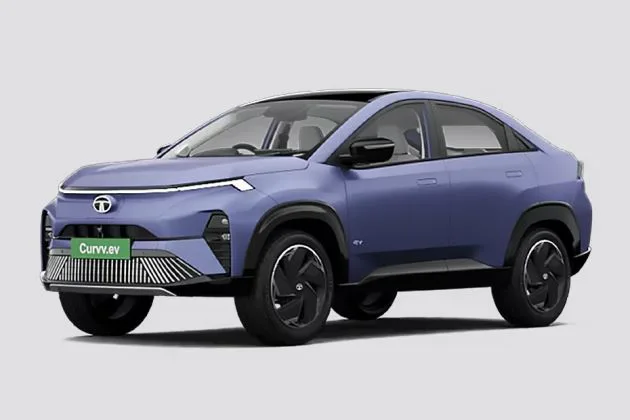
₹16.99 - 19.49 Lakh*
502 km · 165 bhp · 55 kWh
View Details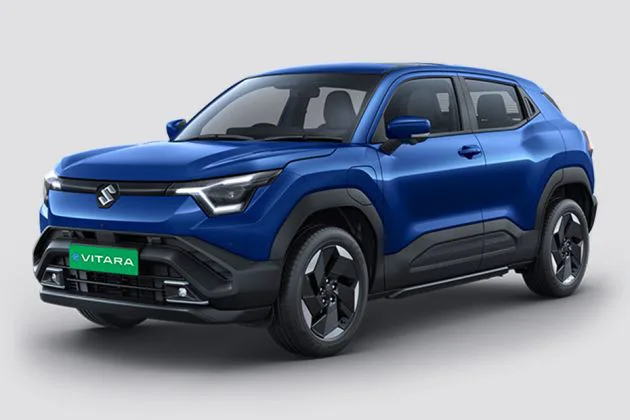
₹15.99 - 20.01 Lakh*
440–543 km · 142–172 bhp · 49–61 kWh
View Details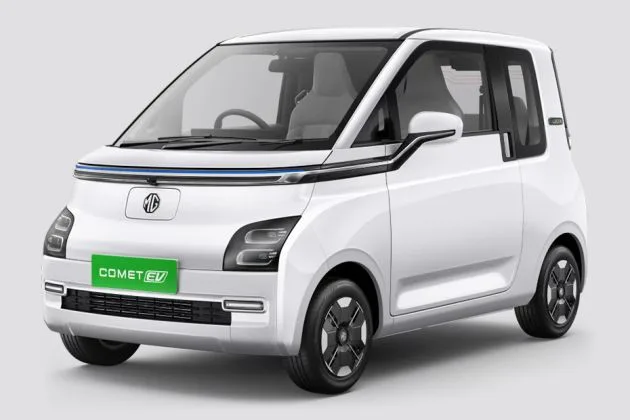
₹7.50 - 9.56 Lakh*
230 km · 41.42–42 bhp · 17.3–17.4 kWh
View Details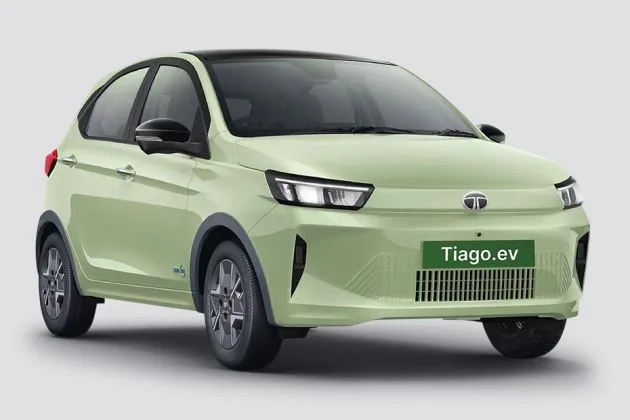
₹6.99 - 9.99 Lakh*
226–285 km · 19.2–24 kWh
View DetailsNew owners' first question. Get the cost and time per charge, plus a one-time home-charger setup estimate - every assumption is editable.
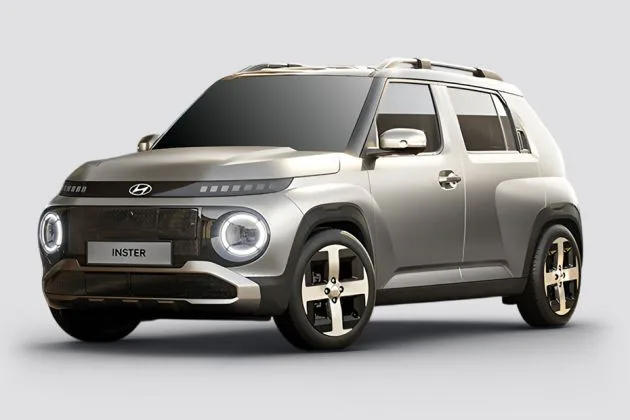
₹12 Lakh Estimated
Coming soon
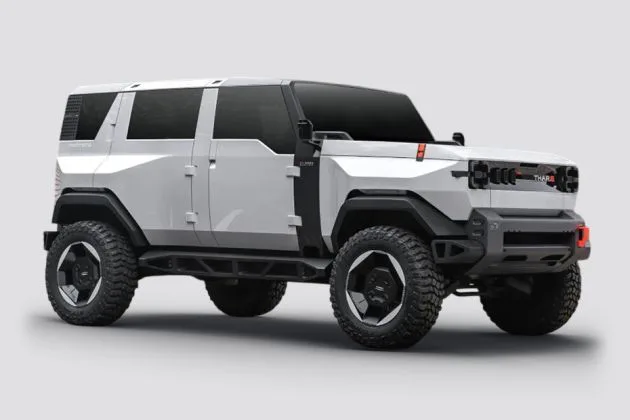
₹25 Lakh Estimated
Coming soon
₹18 Lakh Estimated
Coming soon
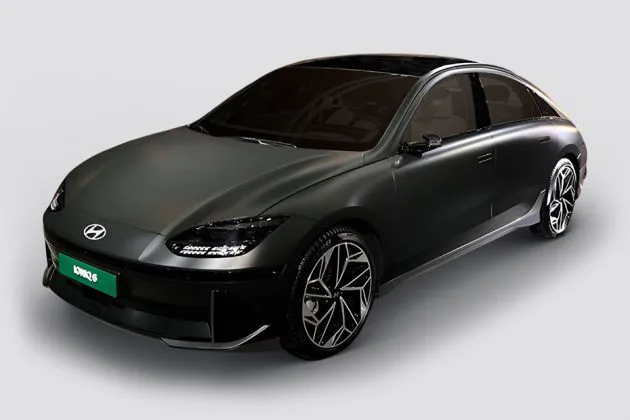
₹65 Lakh Estimated
Coming soon
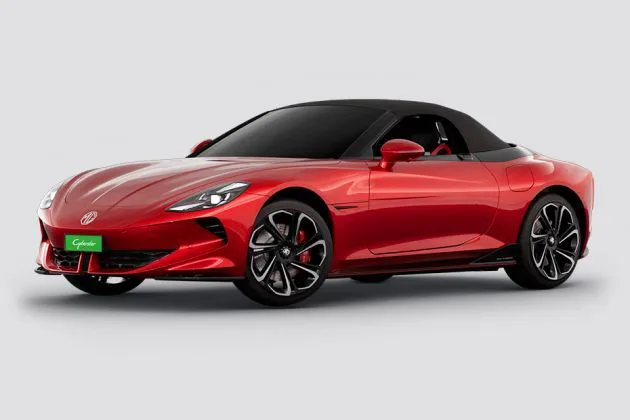
₹75 Lakh Estimated
Coming soon
₹6.99 - 9.99 Lakh*
₹9.69 - 12.59 Lakh*
₹12.49 - 17.49 Lakh*
₹14 - 18.50 Lakh*
₹18.90 - 28.49 Lakh*
₹21.90 - 31.25 Lakh*
Global models you can bring in as a CBU import - with indicative landed prices after ~110% customs duty.
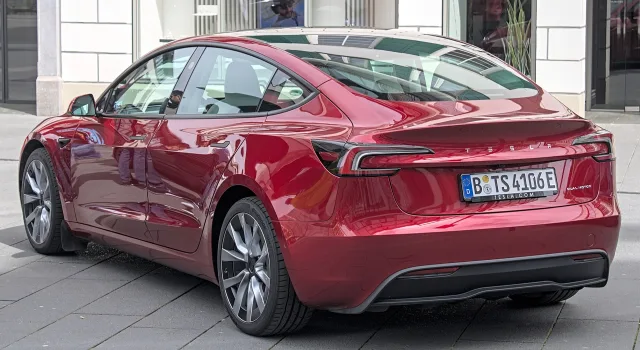
₹77 - 99 Lakh*
438–584 km · 283–510 bhp
View Details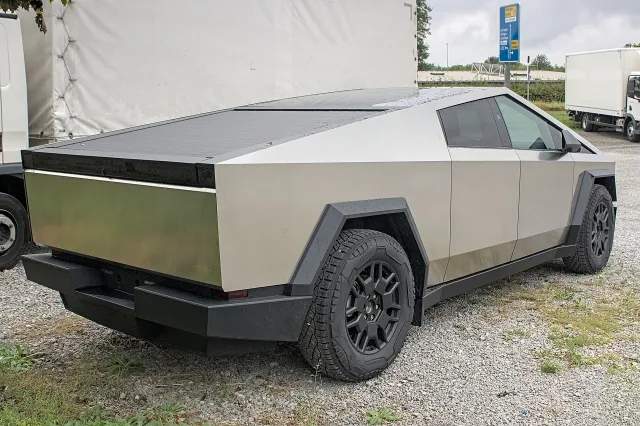
₹1.44 - 1.81 Cr*
484–523 km · 600–845 bhp
View Details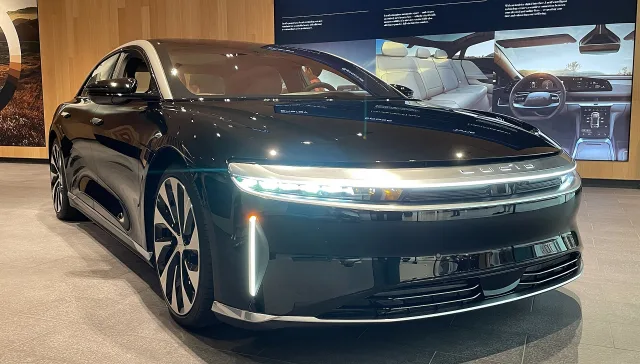
₹1.26 - 2 Cr*
676–824 km · 430–819 bhp
View Details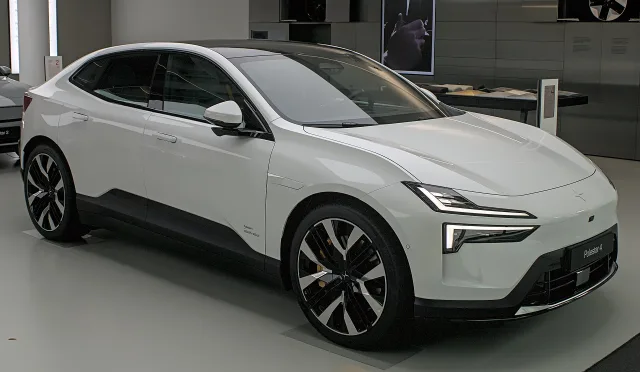
₹1.3 - 1.46 Cr*
591–620 km · 268–536 bhp
View Details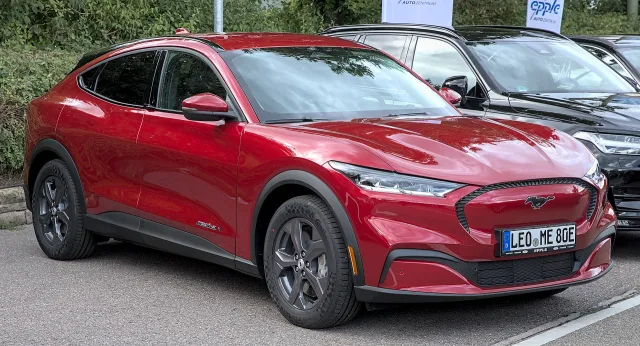
₹1.03 - 1.55 Cr*
470–600 km · 266–480 bhp
View Details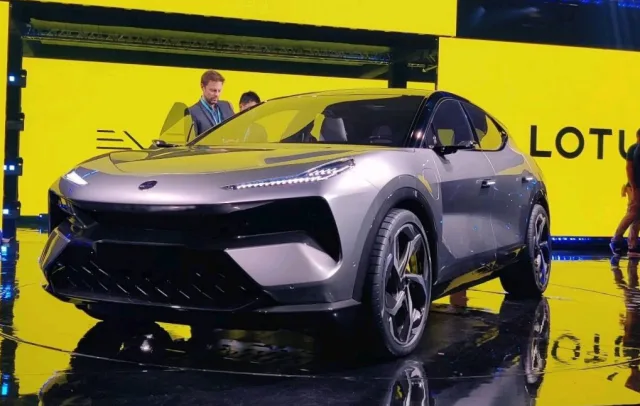
₹2.05 - 2.75 Cr*
490–600 km · 603–905 bhp
View Details*Estimated India landed price incl. ~110% CBU customs duty - indicative only. Read the import guide ›



With a growing concern for the environment and limited natural resources, a sustainable and clean future is deeply linked to the electrification of our cars. It also comes with a lot of benefits, as listed here:
The combination of fewer moving parts and an extensive list of components makes a combustion engine model more expensive to run than an electric vehicle, which is easier to maintain and electricity is cheaper than fuel.
Electric motors deliver instant torque for smooth, silent and responsive acceleration, giving EVs a refined and engaging driving experience.
With zero tailpipe emissions, electric vehicles help reduce air pollution and your overall carbon footprint.
Buyers can benefit from tax rebates, lower registration fees and other state incentives that make EV ownership more affordable.
Charge your EV overnight from the comfort of your home and start every day with a full battery.
Frequent fast charging may have a negative impact on a battery's health over time, so avoid using high amounts of current too often.
Having the battery percentage dip close to zero, or charging it to 100 per cent, are both bad for an EV. These extremes can reduce the battery's capacity to store electricity and even drain faster over time.
Do not leave your EV parked under the hot sun for long durations. Doing so can expose your electric vehicle to extreme hot temperatures and can potentially damage the battery.
To ensure that the battery is always working within the preset safe operating temperature, it is necessary to check the battery coolant level at regular intervals.
When parked for an extended period of time (more than a month), maintain a charging range of 40 to 60% to safeguard the battery's health.
An honest look at the upsides - and the trade-offs - of going electric.
EV First
Weigh it up, then drive electric.
Electricity is far cheaper than petrol or diesel, cutting your daily commute cost dramatically.
EVs produce no exhaust gases, helping reduce pollution in cities.
Instant torque and silent motors deliver a refined driving experience.
Fewer moving parts mean fewer trips to the service centre.
Undertaking unplanned long trips can cause range anxiety thanks to the lack of proper charging infrastructure.
Replacing a lithium-ion battery, which is available in most electric cars, usually tends to be an expensive affair.
An EV even with fast charging, takes a lot longer to juice up the battery than it would take to refuel your car.
EVs tend to be more expensive than their ICE counterparts, majorly because of the price of their battery pack(s).
The upcoming electric cars in India include the Tata Sierra EV, Kia Syros EV and Maruti Suzuki e Vitara, among others expected to launch in 2026.
The cheapest electric car in India currently has a starting price of around ₹3.25 Lakh (ex-showroom).
Several premium EVs offer a certified range of over 600 km on a single charge.
Charging times vary from about 30 minutes on a DC fast charger to several hours on a home AC charger, depending on the battery size.
Yes. Electricity is significantly cheaper than fuel, and EVs require less maintenance, making them cheaper to run overall.
Many states offer subsidies, tax rebates and lower registration fees for electric vehicle buyers.
Still have questions?
Browse 65 electric cars on EV First.